Easy Cotton Crochet Dishcloth: Free Beginner Pattern
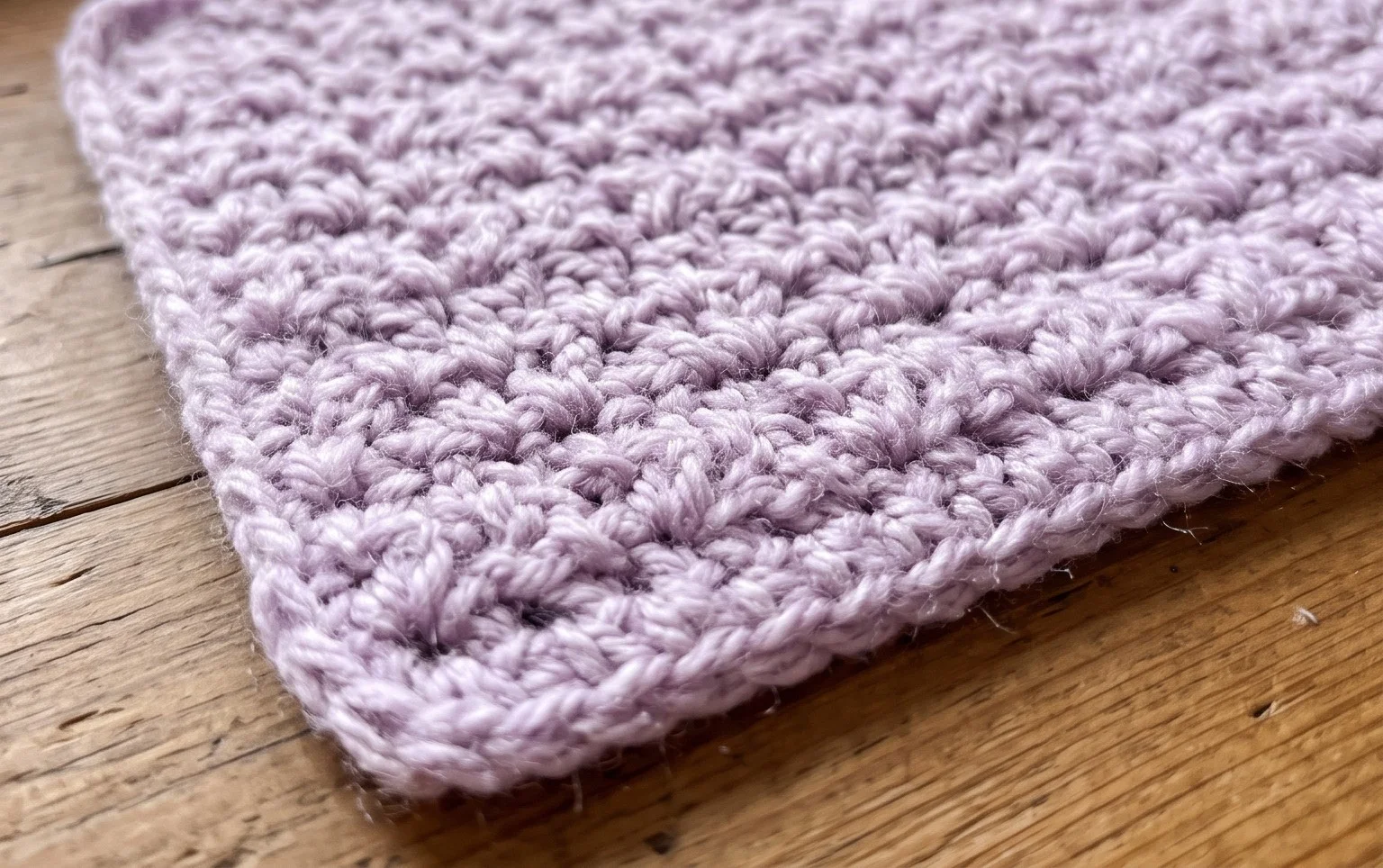
The rough texture of a freshly crocheted dishcloth grabs hold of stuck-on food bits better than any sponge pulled from a plastic package. This project brings a quiet sense of accomplishment to your kitchen routine. You work with soft, absorbent cotton yarn to build a firm fabric that withstands boiling water and daily scrubbing without losing its square shape. Beginners find the rhythmic, repeating sequence of stitches relaxing after a long day. Mastering the moss stitch gives your work a dense, professional appearance while keeping the construction simple. This classic piece serves as a foundational skill builder that results in a useful household item you will use every single morning.
Why You’ll Love This Pattern
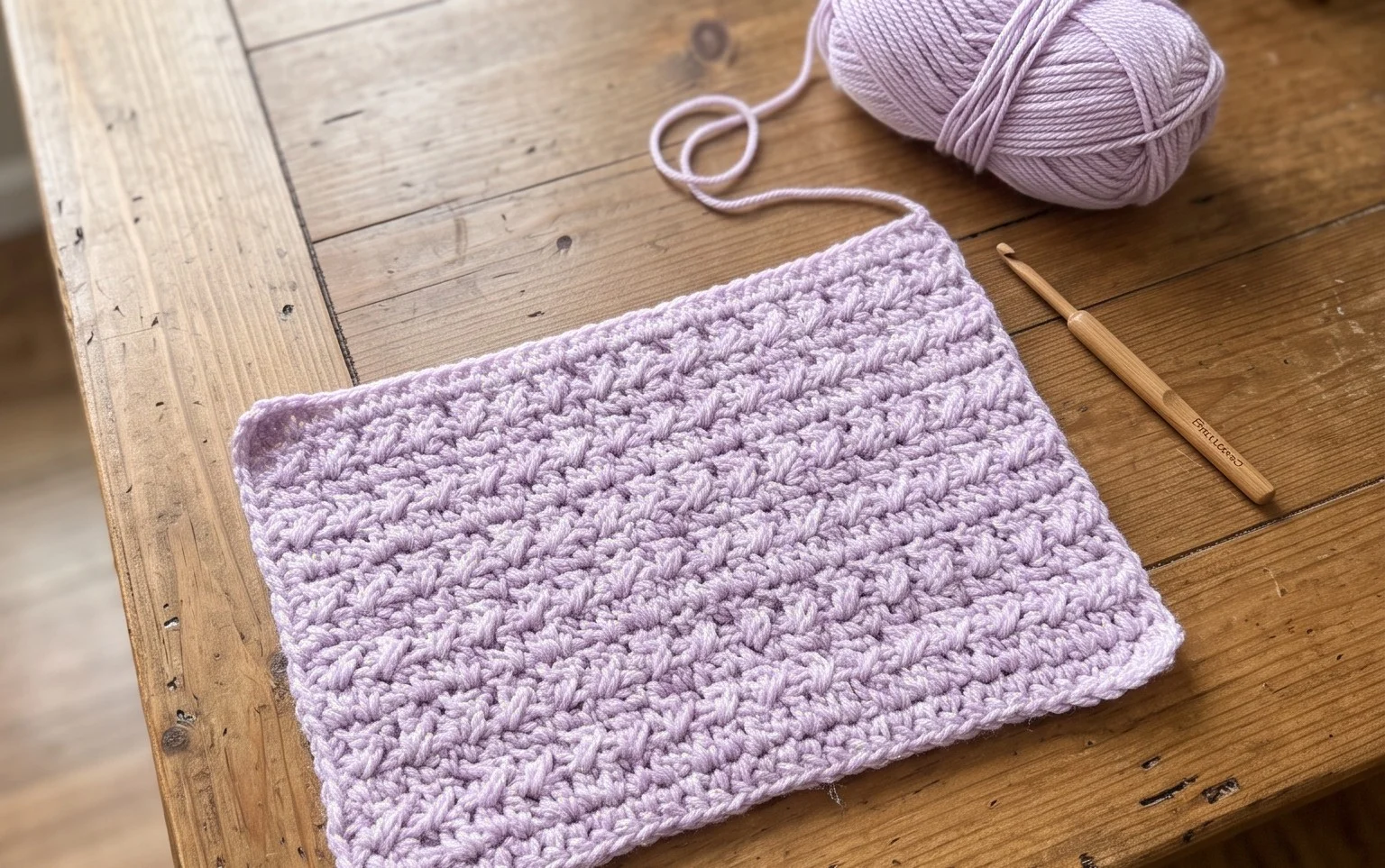
The Classic Crochet Dishcloth is a functional staple for every kitchen, relying on a simple, rhythmic stitch pattern that creates a durable texture for scrubbing. This project is ideal for using up leftover cotton yarn from larger projects, as each cloth requires less than a full skein. Because it is worked in a repetitive stitch sequence, you can easily pick it up and put it down between household tasks. The resulting fabric is sturdy yet pliable, providing a satisfying weight that works better than store-bought synthetic alternatives.
I managed to whip up three of these in a single weekend. They hold their shape perfectly even after being washed in hot water multiple times.
— Sarah, home crafter
Pattern Overview & Skill Level
- Skill Level: Beginner
- Approximate Time: 1 hour per dishcloth
- Construction: Worked in rows starting from a foundation chain
- Finished Dimensions & Sizing: 8 inches by 8 inches
Materials & Supplies Needed
- Yarn: Worsted weight (#4) 100% cotton yarn, approximately 60 yards per dishcloth.
- Hook Size: 5.0 mm (US H-8).
- Notions: Tapestry needle for weaving in ends, scissors.
- Safe yarn substitutions: You may use a cotton-linen blend for increased scrubbiness. Avoid acrylic yarn, as it lacks the absorbency required for cleaning tasks and will melt if it touches a hot pan.
Stitch Guide & Abbreviations (US Terms)
- ch = chain
- st = stitch
- sc = single crochet
- dc = double crochet
- sk = skip
- YO = yarn over
- Moss Stitch: A combination of single crochet and chain stitches, specifically ch 1, sk 1, sc in the next space.
Step-by-Step Pattern Instructions
Main Body
- Row 1: Ch 32. Sc in the 4th ch from the hook. Ch 1, sk 1, sc in the next ch. Repeat from * to * until the end of the row. (16 sc, 15 ch-1 spaces).
- Row 2: Ch 2, turn. Sc in the first ch-1 space. Ch 1, sk 1 sc, sc in the next ch-1 space. Repeat from * to * ending with a sc in the turning chain space. (16 sc, 15 ch-1 spaces).
- Rows 3-30: Repeat Row 2 until the piece measures 8 inches square.
Finishing
Once you reach the desired length, fasten off the yarn, leaving a 6-inch tail. Use your tapestry needle to weave the tail back and forth through the stitches on the back side of the cloth to secure it. Trim the excess yarn close to the fabric, ensuring you do not cut the knot. There is no need to block this item, as the natural tension of the cotton will settle after the first wash.
Care & Washing Instructions
- Machine wash in warm water on a gentle cycle to remove oils and food residue.
- Tumble dry on low heat or lay flat on a drying rack to prevent excessive shrinking.
- Reshape the dishcloth with your hands while it is damp if it has become slightly distorted during use.
Pro Tips & Common Mistakes to Avoid
Maintaining consistent tension is essential for a flat dishcloth. If your stitches are too tight, the fabric will bunch up; if they are too loose, the holes will be too large to hold soap effectively. Use a stitch marker on the first stitch of every row to ensure you do not accidentally drop stitches at the edges, which is a frequent error for beginners. Weave your ends in multiple directions—horizontally and then vertically—to keep them from unraveling during frequent wash cycles. If you want a larger dishcloth, simply increase your starting chain by an even number; keep in mind this will require more yardage per project.
Frequently Asked Questions
Can I use a different yarn weight for this pattern?
While you can use DK or bulky weight yarn, you must adjust your hook size to match the yarn label. A thinner yarn will result in a smaller, delicate cloth, while a bulky yarn will create a very thick, heavy-duty scrubber.
Is this pattern suitable for complete beginners?
Yes, this is an excellent first project because it uses only basic chains and single crochets. It teaches you how to maintain even edges, which is a fundamental skill for all future crochet work.
Are the finished dishcloths safe to sell?
You are welcome to sell items made from this pattern. I ask that you credit the original design and use your own photographs when listing them in your shop.
How can I make the dishcloth more absorbent?
Increasing the hook size slightly can create a looser weave, which allows for more airflow and faster drying. Alternatively, ensure you are using 100% natural cotton rather than a blend, as synthetic fibers do not hold water as efficiently.
Your finished dishcloth brings a custom touch to your sink area and handles heavy scrubbing tasks with ease. You can adjust the size by chaining an odd number of stitches to make these larger for drying surfaces or smaller for tight corners. Adding a thin stripe of a contrasting color helps keep your project pile organized if you make sets for friends. Post a photo of your finished work on social media to show off your progress. Browse the rest of the blog for more free patterns to fill your afternoon.